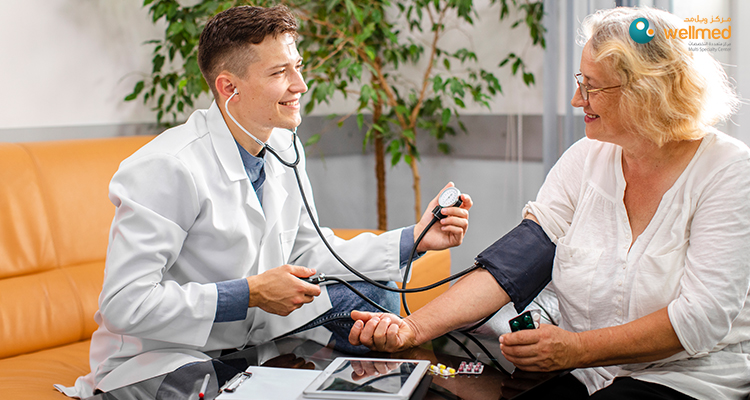
High blood pressure, also known as hypertension, is one of the most common chronic health conditions worldwide. Despite its prevalence, many people are unaware that they have it because it often develops without noticeable symptoms. For this reason, hypertension is commonly referred to as the “silent killer.”
At the internal medicine department of Wellmed Multispecialty Center in Bahrain, we see first-hand how silent hypertension can be, and how early detection and management can save lives.
Understanding Hypertension
Blood pressure is the push of blood against the walls of your arteries as it moves through your body. A normal blood pressure reading should be below 120/80 mmHg. Readings consistently above 130/80 mmHg indicate hypertension.
Hypertension may seem harmless at first, but over time, the constant pressure damages arteries, weakens the heart, and harms vital organs like the kidneys, eyes, and brain. Since these changes occur silently and gradually, many people only discover they have hypertension once complications arise.
Why is Hypertension Called the “Silent Killer”?
1. Lack of Symptoms
Unlike conditions that cause pain or obvious discomfort, hypertension often shows no clear warning signs. Most people with high blood pressure feel completely normal until it reaches dangerous levels.
2. Late Detection
Because there are no early symptoms, hypertension frequently goes undiagnosed for years. During this time, silent damage accumulates in blood vessels and organs.
3. Severe Complications
If uncontrolled, hypertension can lead to life-threatening conditions such as heart attack, stroke, kidney failure, or vision loss. By the time these complications appear, the damage may be difficult to reverse.
This hidden progression is exactly why medical experts call it the silent killer.
Risk Factors You Should Know
Several factors increase the risk of developing hypertension:
- Unhealthy diet with excessive salt, fatty foods, and processed meals
- Sedentary lifestyle with little or no physical activity
- Obesity that strains the cardiovascular system
- Smoking and alcohol use that damage blood vessels
- Stress that affects hormonal balance and blood pressure
- Age and family history that make some people more prone to hypertension
Complications of Uncontrolled Hypertension
Hypertension, when unmanaged, can quietly affect different organs:
- Heart Disease: Increases the risk of heart attack, heart failure, and arrhythmia
- Stroke: Narrowed or weakened arteries in the brain can lead to strokes
- Kidney Damage: High blood pressure can scar kidneys and lead to chronic kidney disease
- Vision Problems: Hypertension damages the delicate blood vessels in the eyes, leading to retinopathy
- Aneurysm: Weakening of artery walls, which can rupture and cause internal bleeding
Each of these complications can be devastating, yet they are largely preventable through early diagnosis and effective management.
How to Detect Hypertension Early

The most effective way to identify hypertension is through regular blood pressure checks. Even if you feel healthy, routine screenings are essential.
At the Internal Medicine Department of Wellmed Multispecialty Center in Bahrain, we emphasize preventive health check-ups because they allow patients to detect hypertension before it causes irreversible harm.
Home monitoring devices can also help track your blood pressure, but professional consultation ensures accurate diagnosis and management.
Managing and Preventing Hypertension
The good news is that hypertension can be controlled, and in many cases, prevented. Here are proven strategies:
1. Healthy Diet
- Keep your daily salt intake under 5 grams
- Eat more fresh fruits, vegetables, whole grains, and lean proteins
- Limit processed foods and sugary drinks
- Choose heart-friendly fats such as olive oil and nuts
2. Stay Physically Active
Engage in at least 30 minutes of moderate exercise most days of the week. Walking, cycling, swimming, or yoga can all help lower blood pressure.
3. Maintain a Healthy Weight
Even a small reduction in body weight can significantly improve blood pressure levels.
4. Quit Smoking and Limit Alcohol
Both increase cardiovascular risks and should be avoided for long-term health.
5. Stress Management
Deep breathing, meditation, yoga, or even simple hobbies can reduce stress, which in turn helps control blood pressure.
6. Medication Compliance
For those diagnosed with hypertension, medication may be necessary. It is important to take medicines as prescribed and not discontinue them without medical advice.
How Wellmed’s Internal Medicine Department Can Help
At the Internal Medicine Department of Wellmed Multispecialty Center in Bahrain, our team of highly skilled physicians, recognized among the best medicine doctors in Bahrain, understands that hypertension is not just a number on a machine; it is a condition that can quietly shape your long-term health.
We provide:
- Comprehensive screenings to detect hypertension early
- Personalized treatment plans including lifestyle counseling, dietary guidance, and medications when required
- Specialized care for managing complications related to hypertension, including heart and kidney health
- Patient education to empower individuals to take charge of their health
Final Thoughts
Hypertension is called the silent killer because it often shows no symptoms until it has caused serious harm. The good news is that with awareness, regular health check-ups, and proper management, it does not have to be fatal.
At the Wellmed Multispecialty Center, our mission is to help patients prevent, detect, and manage hypertension effectively. If you are concerned about blood pressure, do not wait for symptoms to appear. Schedule a check-up today and take proactive steps toward a healthier future.
Frequently Asked Questions (FAQs)
- How is hypertension treated?
Treatment may include lifestyle changes, such as diet and exercise, and medications prescribed by a doctor to keep blood pressure within a healthy range. - Can hypertension be managed at home?
Yes, home monitoring devices can help track blood pressure, but it is essential to consult a doctor for proper diagnosis, treatment, and guidance. - How often should I check my blood pressure?
Adults should have their blood pressure checked at least once a year, or more frequently if you have risk factors or a history of hypertension. - What foods should I avoid to control high blood pressure?
Avoid foods high in salt, processed snacks, fried foods, sugary drinks, and red meats. Focus on fresh vegetables, fruits, whole grains, and lean proteins to maintain healthy blood pressure. - Can exercise really lower blood pressure?
Yes, regular moderate exercise like walking, cycling, swimming, or yoga helps strengthen the heart, improve circulation, and lower blood pressure over time. - Is high blood pressure hereditary?
Genetics can play a role. If your parents or close relatives have hypertension, you are at higher risk, but lifestyle factors also significantly influence your blood pressure. - How does stress affect blood pressure?
Chronic stress can trigger hormonal changes that temporarily raise blood pressure. Long-term stress may contribute to sustained hypertension if not managed properly.