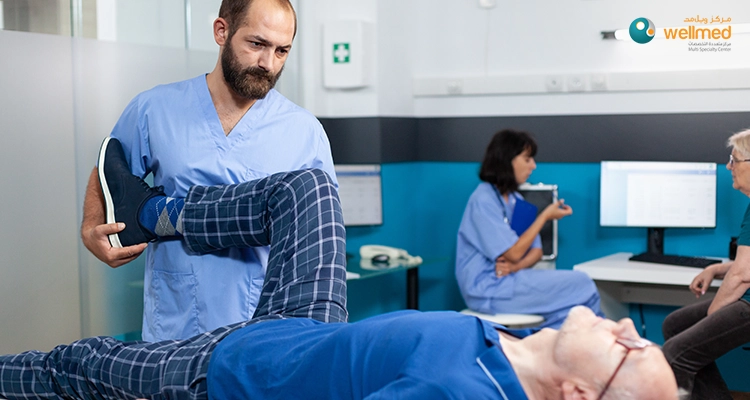
Neurological conditions can significantly affect movement, balance, strength, coordination, and independence in daily life. Simple activities such as walking, standing, or holding objects may become challenging. This is where neurological physiotherapy plays a transformative role.
At Wellmed Multispecialty Center, our structured rehabilitation programs are designed to help patients regain mobility, improve functional ability, and enhance overall quality of life through evidence-based physiotherapy care.
Neurological physiotherapy focuses on individuals affected by disorders of the brain, spinal cord, and peripheral nerves. Unlike general physiotherapy, it specifically addresses movement impairments caused by neurological damage, helping patients regain maximum independence.
What Is Neurological Physiotherapy?
Neurological physiotherapy is a specialized branch of physiotherapy that treats movement and functional difficulties caused by neurological disorders. These conditions disrupt communication between the brain and muscles, leading to symptoms such as:
- Muscle weakness
- Stiffness or spasticity
- Tremors
- Loss of coordination
- Balance problems
- Paralysis
The goal of neurological physiotherapy is not only recovery but also maximizing independence and improving physical performance, even in cases where complete recovery may not be possible.
Conditions Treated with Neurological Physiotherapy
At Wellmed Multispecialty Center in Bahrain, our neurological rehabilitation programs support patients with:
- Stroke (Cerebrovascular Accident)
- Parkinson’s disease
- Multiple Sclerosis (MS)
- Spinal cord injuries
- Traumatic brain injury (TBI)
- Peripheral neuropathy
- Cerebral palsy
- Bell’s palsy
Each condition presents unique challenges, and our physiotherapy plans are fully customized to meet individual patient needs.
How Neurological Physiotherapy Helps Patients
1. Improving Mobility and Walking Ability
Many neurological conditions alter normal walking patterns. Physiotherapy includes gait training, strength exercises, and mobility drills to improve walking stability and reduce fall risks.
2. Restoring Balance and Coordination
Balance training is essential for preventing falls. Patients perform posture correction exercises and coordination activities that strengthen core stability and improve control.
3. Enhancing Muscle Strength and Flexibility
Muscle weakness and stiffness are common neurological symptoms. Targeted physiotherapy exercises improve muscle tone, flexibility, and joint mobility.
4. Managing Spasticity and Muscle Tightness
Certain neurological disorders cause abnormal muscle stiffness. Stretching techniques, positioning strategies, and guided therapeutic movements help manage spasticity effectively.
5. Promoting Functional Independence
Physiotherapists focus on real-life functional activities such as sitting, standing, stair climbing, and transferring from bed to chair. The goal is to restore independence in daily tasks.
Stroke Rehabilitation Through Physiotherapy
Stroke is one of the most common neurological conditions requiring rehabilitation. Early and structured physiotherapy significantly improves recovery outcomes.
Post-stroke physiotherapy focuses on:
- Regaining strength on the affected side
- Improving coordination
- Relearning walking patterns
- Enhancing balance
- Preventing muscle contractures
At Wellmed Multispecialty Center, early intervention programs are carefully structured to accelerate functional recovery and reduce long-term disability.
Parkinson’s Disease Rehabilitation
Parkinson’s disease can cause tremors, rigidity, slow movements, and balance difficulties. Neurological physiotherapy helps patients:
- Improve posture
- Increase step length while walking
- Enhance flexibility
- Maintain muscle strength
- Reduce the risk of falls
Regular physiotherapy exercises play a key role in slowing functional decline and maintaining independence for as long as possible.
Techniques Used in Neurological Physiotherapy
Our physiotherapy programs use evidence-based rehabilitation techniques, including:
- Task-specific training
- Gait training
- Balance exercises
- Strength training
- Neurodevelopmental techniques
- Functional electrical stimulation
- Proprioceptive training
Each treatment plan begins with a comprehensive assessment to ensure personalized care.
Importance of Early Intervention
The brain has a powerful ability called neuroplasticity, which allows it to reorganize and form new neural connections. Early physiotherapy stimulates this process, helping the body adapt and recover more effectively.
Delaying rehabilitation may lead to increased stiffness, muscle weakness, and reduced functional outcomes. Early intervention is crucial for optimal recovery.
Benefits of Neurological Physiotherapy
Patients who participate in structured physiotherapy programs often experience:
- Improved mobility
- Better coordination
- Reduced muscle stiffness
- Increased strength
- Enhanced confidence
- Greater independence in daily activities
- Improved overall quality of life
Even in progressive neurological conditions, physiotherapy helps slow functional decline and maintain mobility.
Personalized Care at Wellmed Multispecialty Center
At Wellmed Multispecialty Center in Bahrain, we follow a patient-centered rehabilitation approach. Every physiotherapy program is tailored based on:
- Diagnosis
- Severity of symptoms
- Age and overall health
- Functional limitations
- Recovery goals
Our team focuses not only on physical recovery but also on emotional support and motivation, ensuring patients feel confident and encouraged throughout their rehabilitation journey.
When Should You Seek Neurological Physiotherapy?
Consult a specialist if you notice:
- Sudden weakness on one side of the body
- Difficulty walking or maintaining balance
- Muscle stiffness or tremors
- Loss of coordination
- Numbness or tingling
- Difficulty performing routine daily activities
Timely diagnosis and early physiotherapy can significantly improve long-term outcomes.
Conclusion
Neurological conditions can significantly affect mobility, balance, strength, and independence. However, with the right rehabilitation approach, meaningful recovery and improved quality of life are possible. Neurological physiotherapy focuses on restoring function, enhancing movement, and helping patients regain confidence in their daily activities.
At Wellmed Multispecialty Center, we provide comprehensive, personalized neurological rehabilitation programs tailored to each patient’s condition and recovery goals. Our experienced team is committed to delivering compassionate and evidence-based care to support long-term wellness.
If you or your loved one is experiencing neurological symptoms, do not delay seeking professional help. Visit Wellmed Multispecialty Center, a trusted physiotherapy clinic in Bahrain, and take the first step toward improved mobility, strength, and independence. Early intervention can make a life-changing difference in recovery.
Frequently Asked Questions (FAQs)
- How long does physiotherapy take for neurological problems?
The duration varies depending on the condition and severity. Some patients may see improvement within weeks, while others with chronic conditions like MS or Parkinson’s may require ongoing rehabilitation for long-term management. - How often should neurological physiotherapy sessions be scheduled?
Typically, sessions are recommended 2–3 times per week initially. The frequency may decrease as the patient improves or shift to a maintenance program. - Can elderly patients benefit from physiotherapy for neurological conditions?
Yes. Age is not a barrier to improvement. Elderly patients often benefit from physiotherapy to improve balance, reduce fall risk, and maintain independence in daily activities. - Is neurological physiotherapy painful?
Physiotherapy should not be painful. Some mild muscle soreness may occur after exercises, especially in the beginning, but therapists adjust the program to ensure comfort and safety. - Can physiotherapy prevent neurological symptoms from worsening?
While physiotherapy cannot stop disease progression in certain conditions, it can help slow functional decline, maintain strength, and reduce complications like stiffness and falls.