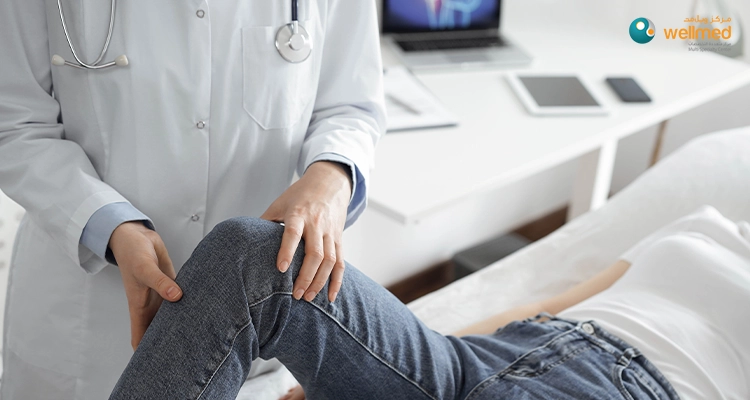
As we grow older, our bodies undergo numerous changes, some visible, others less so. Among the most significant are the transformations that occur in our bones, joints, and muscles. These gradual changes are a natural part of the aging process but can lead to discomfort, reduced mobility, and an increased risk of orthopedic injuries if not properly managed.
At Wellmed Multispecialty Center in Bahrain, our orthopedic specialists help patients understand and manage these age-related musculoskeletal challenges through preventive care, advanced diagnostics, and personalized treatment plans.
Bone Density and Aging
One of the most noticeable effects of aging on the skeletal system is bone density loss. Bones are living tissues that constantly renew themselves, but as we age, the body’s ability to replace old bone tissue slows down.
This imbalance leads to osteopenia or, in more severe cases, osteoporosis, a condition that weakens bones, making them fragile and more prone to fractures.
Common causes of bone loss include:
- Hormonal changes: Especially in postmenopausal women, the decline in estrogen levels accelerates bone loss.
- Poor nutrition: A lack of calcium, vitamin D, and protein can hinder bone strength.
- Sedentary lifestyle: Limited physical activity reduces bone stimulation, causing loss of density over time.
- Medications and medical conditions: Long-term use of steroids or conditions like thyroid imbalance can also contribute.
Regular bone density scans and proper nutritional intake can help identify and address these issues early. Wellmed’s orthopedic team emphasises preventive bone health strategies to reduce the risk of fractures and maintain skeletal strength throughout aging.
Joint Changes and Arthritis
Our joints are designed to withstand years of movement, but the natural wear and tear of daily activities gradually affects their function. With age, cartilage, the smooth tissue that cushions joints, starts to thin and lose elasticity. The synovial fluid, which lubricates the joints, also decreases, leading to stiffness and discomfort.
Common joint-related problems include:
- Osteoarthritis: The most common form of arthritis caused by cartilage breakdown, leading to pain, swelling, and reduced mobility.
- Rheumatoid arthritis: An autoimmune disorder where the body’s immune system attacks joint tissues.
- Degenerative joint disease: A general term for progressive joint deterioration.
These conditions often result in difficulty performing routine activities such as walking, climbing stairs, or bending. Early diagnosis and treatment from experienced orthopedic doctors can prevent severe joint damage and improve quality of life.
Muscle and Ligament Weakness
Aging also impacts the muscles, tendons, and ligaments that support our bones and joints.
Muscle mass tends to decline with age, a process called sarcopenia, leading to weakness, instability, and slower recovery from injuries. Similarly, ligaments become less flexible, increasing the risk of strains and sprains.
How to counteract this:
- Engage in strength training: Regular exercise helps maintain muscle mass and bone health.
- Improve flexibility: Stretching routines or yoga enhance joint mobility and reduce stiffness.
- Stay active: Low-impact activities like swimming, cycling, or brisk walking are excellent for joint health.
At Wellmed Multispecialty Center, physiotherapists and orthopedic experts work together to design personalized exercise and rehabilitation programs that strengthen muscles and protect joint integrity.
Preventing Orthopedic Injuries as You Age
While aging is inevitable, orthopedic injuries don’t have to be. Awareness, regular check-ups, and a proactive approach to health can make a significant difference. Older adults should pay close attention to balance, flexibility, and nutrition to maintain bone and joint health.
Preventive tips:
- Maintain a balanced diet: Include foods rich in calcium (milk, cheese, leafy greens) and vitamin D (sun exposure, fortified foods).
- Avoid smoking and excess alcohol: Both can weaken bones and delay healing.
- Keep a healthy weight: Extra weight puts stress on hips, knees, and spine.
- Get regular screenings: Bone density tests, joint evaluations, and orthopedic consultations help in early detection of issues.
With Wellmed’s comprehensive orthopedic care, patients receive tailored guidance to preserve bone strength and prevent age-related complications.
Modern Orthopedic Treatments for Aging Bones and Joints
Advancements in orthopedic medicine have made it possible to effectively manage age-related musculoskeletal conditions. From non-surgical treatments like physiotherapy, medications, and joint injections to minimally invasive surgeries, patients now have access to more options than ever before.
At Wellmed Multispecialty Center in Bahrain, the orthopedic department provides a wide range of treatments, including:
- Joint replacement surgery for severe arthritis cases.
- Bone health management programs for osteoporosis prevention.
- Customized physiotherapy for rehabilitation and fall prevention.
- Pain management therapies that improve daily comfort and mobility.
These services ensure older adults can lead active, independent lives while minimizing the risk of orthopedic injuries.
Conclusion
Aging may bring natural changes to your bones and joints, but with the right care, you can stay strong, mobile, and pain-free.
Early attention to symptoms, regular orthopedic assessments, and lifestyle modifications can significantly slow down musculoskeletal decline.
At Wellmed Multispecialty Center in Bahrain, our orthopedic specialists are dedicated to helping you maintain healthy bones and joints at every stage of life, because mobility means freedom, and freedom means quality of life.
Frequently Asked Questions (FAQs)
- Why do bones become weaker with age?
As we age, our bones lose minerals such as calcium, leading to reduced bone density. The body also slows down in regenerating bone tissue, making bones more fragile and increasing the risk of fractures. - How can I prevent bone loss as I get older?
You can prevent bone loss by maintaining a calcium-rich diet, getting enough vitamin D, engaging in weight-bearing exercises, avoiding smoking, and scheduling regular bone density tests. - Is surgery the only option for severe joint problems?
Not always. Many joint issues can be managed with non-surgical treatments like physiotherapy, joint injections, and lifestyle modifications. Surgery is recommended only when conservative methods fail to relieve pain. - Can dehydration affect joint health?
Yes. Joints are lubricated by synovial fluid, which is largely made of water. Staying hydrated helps maintain cushioning between joints, reducing stiffness and pain. - What’s the connection between nutrition and orthopedic health?
Proper nutrition supports bone remodeling, muscle strength, and cartilage repair. Diets rich in calcium, vitamin D, protein, and antioxidants play a vital role in keeping bones and joints healthy as you age.