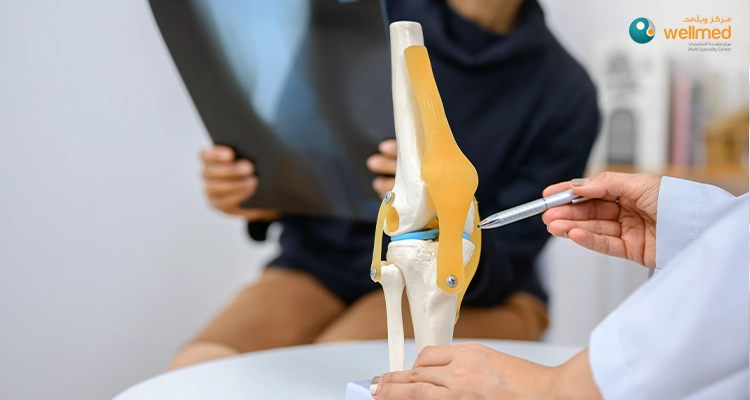
Ligament injuries are among the most common musculoskeletal problems affecting athletes, fitness enthusiasts, and individuals leading an active daily life. These injuries can happen suddenly, whether during a football match, a workout session, or a simple misstep on an uneven surface. The resulting pain, swelling, and instability can significantly reduce mobility and affect overall quality of life.
At Wellmed Multispecialty Center in Bahrain, our experienced orthopedic doctors and physiotherapists provide advanced ligament injury treatment focusing on accurate diagnosis, comprehensive recovery, and long-term joint stability.
What Are Ligaments and Why Are They Important?
Ligaments are strong, flexible bands of fibrous tissue that connect bones and stabilize joints while allowing smooth and controlled motion. They act as supportive bands that maintain bone alignment and prevent excessive movement that could cause damage.
When a ligament is overstretched or torn, it leads to pain, inflammation, and restricted mobility. The severity of the injury can range from a mild sprain to a complete tear, depending on the type and intensity of movement involved.
Commonly Injured Ligaments
- Anterior Cruciate Ligament (ACL): Found in the knee, this ligament helps maintain stability during activities such as jumping, pivoting, or sudden directional changes.
- Medial Collateral Ligament (MCL): Located on the inner side of the knee, this ligament stabilizes against inward forces and is commonly injured due to twisting or impact.
- Ankle Ligaments: These ligaments support the ankle joint and are prone to sprains during running, jumping, or uneven landings.
Common Causes of Ligament Injuries
Ligament injuries are part of a broader category of orthopedic injuries that affect muscles, bones, and joints. These can occur in anyone, not just athletes. Some common causes include:
- Sudden twisting or abrupt change in direction during sports or exercise
- Incorrect or awkward landings after a jump
- Overuse or repetitive strain during physical activities
- Direct trauma or collision in contact sports
- Accidental falls or missteps on uneven ground
Even mild ligament injuries can lead to chronic instability if left untreated, which is why early assessment is essential.
Symptoms of Ligament Injury
Recognizing symptoms early helps prevent long-term complications and promotes faster recovery. Common symptoms include:
- Sudden and sharp pain in the affected joint
- Swelling, tenderness, or bruising
- Stiffness and restricted movement
- Difficulty bearing weight or moving the affected area
- A feeling of looseness or instability in the joint
If you experience any of these symptoms, consult an orthopedic specialist in Bahrain for an accurate diagnosis. At Wellmed Multispecialty Center, advanced diagnostic tools such as MRI and ultrasound help identify the exact extent of ligament damage.
Diagnosis and Treatment Options
Proper diagnosis is the key to effective treatment. The orthopedic experts at Wellmed Multispecialty Center in Bahrain perform detailed clinical assessments and imaging studies to determine the severity of ligament damage.
1. Conservative Management
For mild or partial ligament tears, non-surgical treatments are often effective. The RICE protocol (Rest, Ice, Compression, Elevation) is used to reduce swelling and pain. Pain-relief medications and supportive braces may be prescribed to protect the joint during recovery.
2. Physiotherapy and Rehabilitation
Physiotherapy is a vital part of ligament injury treatment. At Wellmed’s physiotherapy department, personalized rehabilitation programs are designed for each patient. These programs help restore flexibility, strength, and balance while reducing stiffness and preventing re-injury.
3. Surgical Repair or Reconstruction
In severe cases, such as complete ACL or MCL tears, surgical repair may be required. After surgery, a structured physiotherapy program is essential for rebuilding muscle strength and improving joint function. Wellmed’s coordinated care between orthopedic surgeons and physiotherapists ensures a smooth and effective recovery process.
The Role of Physiotherapy in Ligament Recovery
Physiotherapy plays a crucial role in both recovery and prevention of ligament injuries. It focuses on pain reduction, muscle strengthening, and improving joint stability. At Wellmed Multispecialty Center in Bahrain, physiotherapy care is customized for each patient according to the stage of healing.
Early Phase: Pain and Swelling Management
During the initial phase, physiotherapy aims to reduce pain and swelling. Gentle range-of-motion exercises and therapies such as cold application or ultrasound therapy promote healing and prevent stiffness.
Strengthening Phase
As the pain subsides, the focus shifts to muscle strengthening. Exercises target specific muscles around the injured ligament to enhance stability. For knee injuries, strengthening the quadriceps, hamstrings, and calf muscles helps protect the joint from further damage.
Functional Training Phase
The final stage focuses on regaining balance, coordination, and agility. Patients undergo controlled exercises that mimic daily movements or sports-specific actions to ensure a safe return to normal activities.
Education and Prevention
Physiotherapists at Wellmed also guide patients on posture correction, warm-up routines, stretching, and safe movement techniques. This preventive education is essential to minimize the risk of re-injury and promote long-term joint health.
Why Choose Wellmed Multispecialty Center in Bahrain
Wellmed Multispecialty Center provides comprehensive orthopedic and physiotherapy services under one roof. Patients benefit from:
- Accurate diagnosis using modern imaging technology
- Personalized treatment and rehabilitation programs
- Expert guidance from experienced specialists
- Focus on long-term recovery and injury prevention
Whether you are recovering from an ACL tear, MCL strain, or ankle ligament injury, Wellmed’s integrated approach ensures complete care and faster healing.
Start Your Recovery Journey Today
A ligament injury can limit your movement and confidence, but with the right care, complete recovery is possible. The orthopedic and physiotherapy specialists at Wellmed Multispecialty Center in Bahrain are dedicated to helping patients regain mobility, strength, and confidence through advanced, evidence-based treatment plans.
If you are struggling with knee, ankle, or joint pain after an injury, visit Wellmed Multispecialty Center for expert evaluation and personalized care.
Book your appointment today and take the first step toward lasting joint health and pain-free movement.
Frequently Asked Questions (FAQs)
- Can ligament injuries heal without surgery?
Yes, partial tears or mild sprains can often heal with rest, bracing, and physiotherapy. Surgery is usually needed for complete ligament tears or when joint stability is compromised. - How does physiotherapy help after a ligament injury?
Physiotherapy restores strength, flexibility, and balance. It also reduces pain and swelling while helping prevent future injuries through guided exercises and movement training. - What are the signs that I should see an orthopedic specialist?
If you experience persistent pain, swelling, or difficulty moving the joint after an injury, you should consult an orthopedic specialist for a detailed evaluation and treatment plan. - What is the difference between a sprain and a ligament tear?
A sprain occurs when a ligament is overstretched, while a tear means the ligament fibers are partially or completely torn. Both can cause pain, swelling, and joint instability. - What happens if a ligament injury is left untreated?
Untreated ligament injuries can lead to chronic pain, joint instability, and a higher risk of re-injury or arthritis later in life. Early diagnosis ensures better recovery.