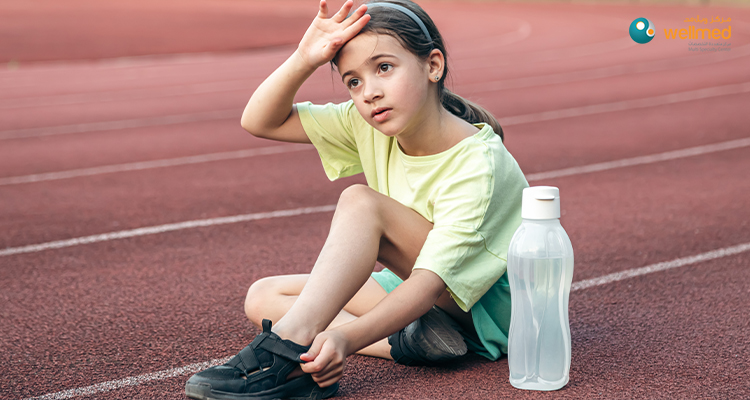
Sports and physical activities play an important role in the healthy growth and development of children and teenagers. Participation in sports helps improve strength, coordination, discipline, and overall well-being. However, with increasing involvement in competitive sports, training academies, and school-level athletics, the risk of sports-related injuries among young athletes has also increased. Early awareness, proper prevention strategies, and timely medical care are essential to protect growing bones and joints. At Wellmed Multispecialty Center, the dedicated Sports Medicine Clinic in Bahrain provides specialized care for sports injuries in children and teens, focusing on accurate diagnosis, safe treatment, and long-term musculoskeletal health.
Why Children and Teens Are More Vulnerable to Sports Injuries
Children and teenagers are still growing, which makes their bodies different from those of adults. Their bones, muscles, and tendons are developing, and growth plates, which are areas of cartilage at the ends of long bones, are particularly sensitive to stress and trauma. During growth spurts, bones may grow faster than muscles and tendons, leading to tightness and reduced flexibility. This imbalance increases the risk of strains, sprains, and overuse injuries.
Other contributing factors include inadequate warm-up routines, poor sports technique, improper equipment, lack of rest between activities, and pressure to perform or specialize in a single sport too early.
Common Sports Injuries in Children and Teens
Several types of injuries are frequently seen in young athletes.
- Sprains and strains are among the most common injuries, often affecting the ankle, knee, or shoulder. These injuries usually occur due to sudden twisting movements or overstretching of muscles and ligaments.
- Fractures can result from falls, collisions, or direct impact during contact sports. In children, fractures involving growth plates require careful management, as improper healing can affect future bone growth.
- Overuse injuries develop gradually due to repetitive stress without sufficient recovery time. Examples include knee pain conditions such as Osgood Schlatter disease, shin splints, and tendon inflammation.
- Shoulder and elbow injuries are common in sports that involve repetitive throwing or overhead movements, such as cricket, baseball, and tennis.
Many of these sports-related conditions fall under orthopedic injuries, affecting bones, joints, muscles, ligaments, and tendons. Understanding how these injuries develop and recognizing early symptoms helps parents seek timely medical care and prevent long-term complications in growing children.
Warning Signs Parents Should Watch For
Early identification of sports injuries helps prevent complications and long-term damage. Parents should seek medical evaluation if their child experiences persistent pain lasting more than a few days, swelling or bruising around a joint, restricted movement, difficulty bearing weight, limping, or pain that worsens during or after activity. Ignoring these symptoms or encouraging children to continue playing through pain can lead to chronic injury.
Preventing Sports Injuries in Young Athletes
- Prevention is the key to keeping children safe while they enjoy sports. Simple and consistent measures can significantly reduce injury risk.
- Proper warm-up and cool-down routines are essential. Warming up prepares muscles and joints for physical activity, while cooling down helps reduce muscle stiffness and soreness after exercise.
- Training should always be age-appropriate and suited to the child’s physical development and fitness level. Excessive training loads, particularly during growth spurts, should be avoided.
- Correct technique and proper supervision are equally important. Learning correct movement patterns under the guidance of trained coaches helps reduce injuries caused by poor form or unsafe practices.
- Adequate rest and recovery time are critical. Children should have rest days each week and avoid playing the same sport continuously throughout the year without breaks, as this significantly increases the risk of overuse injuries.
- Using appropriate sports equipment, including properly fitted footwear and protective gear, also plays a vital role in injury prevention.
Immediate Care for Sports Injuries
When an injury occurs, early care can support faster and safer recovery. Minor injuries may improve with rest and temporary activity modification. Applying ice can help reduce swelling and discomfort, and elevating the injured area may relieve inflammation. However, if pain persists, movement becomes limited, or symptoms worsen, professional medical evaluation is necessary.
Home care should never replace medical assessment in children, as some injuries may appear minor initially but can become serious without proper treatment.
When to Seek Orthopedic Care
Not all sports injuries heal on their own. An orthopedic consultation is recommended if pain interferes with daily activities, the injury keeps recurring, the child cannot return to sports comfortably, or there is suspicion of a fracture, ligament injury, or growth plate damage.
At Wellmed Multispecialty Center, children and teens receive comprehensive orthopedic evaluation, accurate diagnosis, and personalized treatment plans. The goal is not only recovery but also the long-term protection of musculoskeletal health.
Treatment and Rehabilitation
Treatment depends on the nature and severity of the injury. Many sports injuries in children can be managed with rest, physiotherapy, and guided rehabilitation exercises designed to restore strength, flexibility, and coordination. In some cases, braces or supportive devices may be used to protect healing joints. More severe injuries may require advanced medical care or surgery.
Rehabilitation is a crucial phase of recovery. Skipping or rushing this process increases the risk of re-injury and long-term complications. A structured rehabilitation program ensures complete healing before returning to sports.
Safe Return to Sports
Returning to sports should be gradual and carefully supervised. Children should resume activity only when they are pain-free, have regained a full range of movement, and have restored muscle strength. Coordination between parents, coaches, physiotherapists, and doctors ensures a safe and confident return to play.
Conclusion
Sports injuries in children and teens are common, but many can be prevented with proper training, adequate rest, correct techniques, and early medical attention. Recognizing warning signs, seeking timely orthopedic care, and following a structured rehabilitation plan are essential to ensure complete recovery and prevent long-term complications. With the right guidance and expert support, young athletes can safely return to sports and continue enjoying an active lifestyle. At Wellmed Multispecialty Center, specialized orthopedic and sports injury care is provided through its dedicated sports medicine clinic in Bahrain, focusing on safe recovery, injury prevention, and long-term musculoskeletal health for children and teens.
Frequently Asked Questions
- Can children continue light physical activity during recovery from sports injuries?
In some cases, light and supervised physical activity may be allowed during recovery, depending on the type and severity of the injury. An orthopedic or sports medicine specialist can advise which movements are safe and which activities should be avoided to prevent re-injury. - Does early sports specialization increase injury risk in children?
Yes, focusing on a single sport year-round at a young age increases the risk of overuse and orthopedic injuries. Encouraging children to participate in multiple sports helps develop balanced muscle strength and reduces repetitive stress on specific joints. - Are sports injuries different in boys and girls?
While many injuries are common to both, some differences exist due to growth patterns, biomechanics, and hormonal changes. For example, adolescent girls may have a higher risk of certain knee injuries, making injury prevention programs especially important. - How long should a child rest after a sports injury before returning to school sports?
The recovery time varies based on the injury type and healing progress. A child should return to sports only after medical clearance, full pain relief, and restoration of strength and movement, rather than following a fixed number of days. - Can poor nutrition increase the risk of sports injuries in children?
Yes, inadequate nutrition can weaken bones and muscles, slow healing, and increase injury risk. A balanced diet with sufficient calcium, protein, and vitamins is essential for injury prevention and recovery in growing children.