


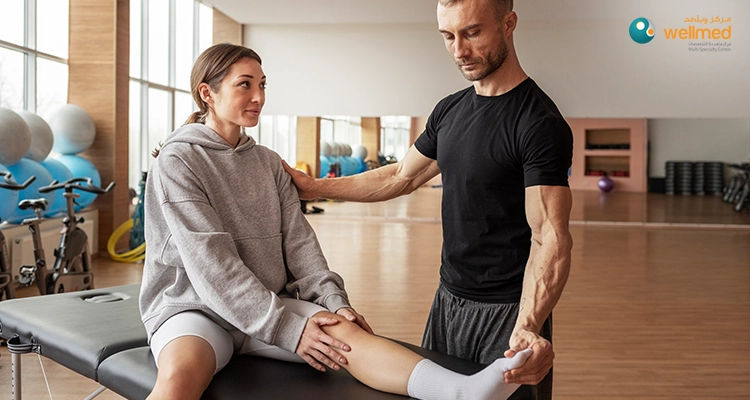
Sports and physical activities offer numerous health benefits, from improving fitness and strength to enhancing mental well-being. However, participating in sports also carries the risk of injury. Whether you are a professional athlete, a fitness enthusiast, or someone who enjoys recreational sports, injuries can occur unexpectedly and affect your performance, mobility, and quality of life.
Recovering properly from a sports injury is essential to prevent long-term complications and reduce the risk of re-injury. This is where a physiotherapy doctor plays a crucial role. At Wellmed Wellness Multi Specialty Center, our experienced physiotherapy professionals help patients recover safely and effectively, enabling them to return to their favorite activities with confidence.
Understanding Sports Injuries
Sports injuries can affect muscles, ligaments, tendons, joints, bones, and soft tissues. They may result from sudden trauma, repetitive movements, improper technique, inadequate warm-up, or overtraining.
Common sports injuries include:
- Sprains and strains
- Ligament injuries
- Tendonitis
- Muscle tears
- Knee injuries
- Shoulder injuries
- Tennis elbow and golfer’s elbow
- Ankle injuries
- Shin splints
- Stress fractures
The severity of these injuries can vary from mild discomfort to significant functional limitations. Proper diagnosis and treatment are important for a full recovery.
The Role of a Physiotherapy Doctor in Sports Injury Recovery
A physiotherapy doctor focuses on restoring movement, reducing pain, improving function, and preventing future injuries. Their approach goes beyond simply treating symptoms; they address the underlying causes of injury and create personalized recovery plans.
Comprehensive Assessment and Diagnosis
The recovery process begins with a thorough assessment. A physiotherapy doctor evaluates:
- The type and severity of the injury
- Pain levels
- Range of motion
- Muscle strength
- Joint stability
- Movement patterns
- Functional limitations
This detailed evaluation helps identify the root cause of the problem and guides the development of an effective treatment plan.
Pain Management Without Excessive Medication
Sports injuries often cause pain, inflammation, and discomfort. Physiotherapy provides non-invasive methods to manage pain and promote healing.
Common pain-relief techniques include:
- Manual therapy
- Soft tissue mobilization
- Therapeutic exercises
- Heat and cold therapy
- Electrical stimulation
- Ultrasound therapy
These treatments help reduce pain naturally while supporting tissue recovery.
Restoring Mobility and Flexibility
Many sports injuries lead to stiffness and restricted movement. Limited mobility can delay recovery and increase the likelihood of future injuries.
Physiotherapy programs include stretching exercises and mobility training designed to:
- Improve joint movement
- Restore flexibility
- Reduce stiffness
- Enhance overall function
As mobility improves, patients can gradually return to their normal daily activities and sports participation.
Strengthening Injured Areas
Muscle weakness often develops after an injury due to pain, inactivity, or immobilization. Rebuilding strength is a critical part of rehabilitation.
Physiotherapy doctors design customized strengthening programs that target:
- Injured muscles
- Supporting muscle groups
- Core stability muscles
- Joint stabilizers
Progressive strengthening exercises help restore physical performance while reducing the risk of re-injury.
Improving Balance and Coordination
Sports require precise coordination, balance, and body control. Following an injury, these abilities may be compromised.
Physiotherapy rehabilitation often includes:
- Balance training
- Proprioception exercises
- Stability drills
- Functional movement training
These exercises retrain the body to move efficiently and safely during sports activities.
Supporting Recovery After Surgery
Some sports injuries require surgical treatment, especially severe ligament tears, fractures, or tendon injuries.
Post-surgical physiotherapy is essential for:
- Managing pain and swelling
- Restoring joint movement
- Rebuilding strength
- Preventing stiffness
- Improving overall function
A physiotherapy doctor carefully monitors recovery progress and adjusts the rehabilitation program according to the patient’s healing stage.
Gradual Return to Sports
Returning to sports too quickly can increase the risk of re-injury. Physiotherapy doctors guide patients through a structured return-to-play process.
This typically involves:
- Pain reduction and healing
- Restoring mobility
- Rebuilding strength
- Improving balance and agility
- Sport-specific training
- Full return to activity
This step-by-step approach ensures that the body is ready for the physical demands of sports participation.
Injury Prevention Strategies
One of the most valuable aspects of physiotherapy is injury prevention. Physiotherapy doctors identify factors that may contribute to recurring injuries and provide practical solutions.
Prevention strategies may include:
- Correct exercise techniques
- Proper warm-up routines
- Flexibility programs
- Strength training recommendations
- Posture correction
- Movement pattern improvement
These preventive measures help athletes maintain peak performance while reducing injury risks.
Benefits of Physiotherapy for Sports Injuries
Seeking physiotherapy treatment offers numerous advantages, including:
- Faster recovery
- Reduced pain and inflammation
- Improved mobility and flexibility
- Enhanced strength and endurance
- Better balance and coordination
- Lower risk of re-injury
- Safe return to sports activities
- Improved overall physical performance
The combination of expert assessment and personalized rehabilitation can significantly improve recovery outcomes.
When Should You See a Physiotherapy Doctor?
It is advisable to consult a physiotherapy doctor if you experience:
- Persistent pain after sports activities
- Swelling or inflammation
- Reduced range of motion
- Muscle weakness
- Difficulty walking or running
- Recurring injuries
- Recovery after orthopedic surgery
Early physiotherapy intervention is important for both adults and children involved in sports, helping prevent minor injuries from developing into more serious conditions.
Why Choose Wellmed for Sports Injury Rehabilitation?
At Wellmed Wellness Multi Specialty Center, our experienced physiotherapy team provides comprehensive care for sports-related injuries. We develop individualized treatment plans tailored to each patient’s condition, fitness level, and recovery goals.
Using evidence-based physiotherapy techniques, we help patients reduce pain, regain strength, restore mobility, and safely return to their active lifestyles. As the Best Multispeciality Clinic in Bahrain, Wellmed offers access to a wide range of healthcare specialists under one roof, ensuring coordinated care for patients who may require orthopedic, rehabilitation, or other medical support during their recovery journey.
Conclusion
Sports injuries can be frustrating and disruptive, but with the right treatment and rehabilitation, a full recovery is possible. Physiotherapy doctors play a vital role in helping patients heal, regain function, and return to sports safely. Through personalized care, targeted exercises, and injury prevention strategies, physiotherapy supports both short-term recovery and long-term physical health.
If you are looking for an experienced Physiotherapy Doctor in Bahrain, Wellmed Wellness Multi Specialty Center provides comprehensive rehabilitation services tailored to your needs. Recognized by many patients as the Best Multispeciality Clinic in Bahrain, Wellmed is committed to helping individuals recover from sports injuries and achieve their health and wellness goals through expert, patient-centered care.
Frequently Asked Questions (FAQ)
- How long does sports injury rehabilitation usually take?
Recovery time varies depending on the type and severity of the injury. Minor injuries may improve within a few weeks, while more complex injuries can require several months of rehabilitation. - Can physiotherapy improve athletic performance after recovery?
Yes. Physiotherapy not only helps with recovery but also improves strength, flexibility, endurance, and movement efficiency, which can enhance overall athletic performance. - Is physiotherapy suitable for amateur athletes and fitness enthusiasts?
Absolutely. Physiotherapy benefits individuals at all activity levels, from recreational sports participants and gym-goers to professional athletes. - What should I wear to a physiotherapy session for a sports injury?
Comfortable, loose-fitting clothing that allows easy movement is recommended. This helps the physiotherapist assess mobility and perform exercises effectively. - Can old sports injuries be treated with physiotherapy?
Yes. Even injuries that occurred months or years ago may benefit from physiotherapy. Treatment can help reduce lingering pain, improve mobility, and restore function. - Does physiotherapy help with recurring sports injuries?
Yes. Physiotherapy can identify underlying issues such as muscle imbalances, poor movement patterns, or inadequate conditioning that may contribute to repeated injuries. - Are home exercises important during sports injury rehabilitation?
Home exercise programs are often a key part of recovery. Performing prescribed exercises consistently can help speed up progress and support long-term results. - Can physiotherapy help athletes prepare for a new sports season?
Yes. Physiotherapists can assess physical readiness, identify potential injury risks, and recommend conditioning programs to help athletes prepare safely for competition.