


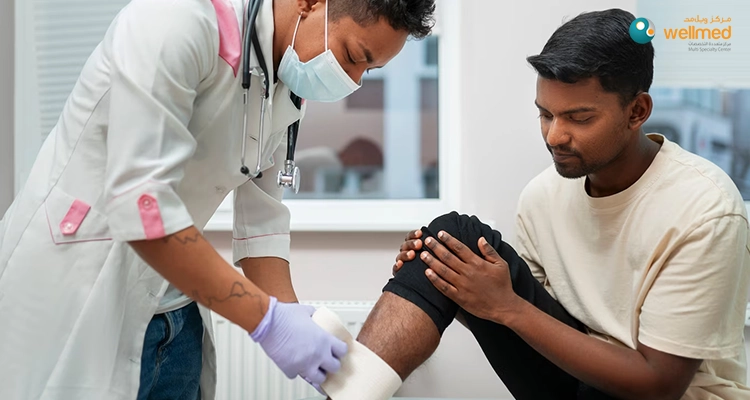
Orthopedic injuries are some of the most frequently encountered medical issues, affecting people of all ages and activity levels. These injuries involve the musculoskeletal system, which includes bones, joints, ligaments, tendons, and muscles. From minor strains to complex fractures, orthopedic injuries can significantly impact your mobility, comfort, and overall quality of life.
Whether caused by a sudden accident or the result of long-term wear and tear, orthopedic conditions require timely diagnosis and appropriate treatment. This comprehensive guide explores the most common orthopedic injuries, their causes, symptoms, and treatment options, empowering you to better understand your body and make informed healthcare decisions.
1. Sprains and Strains
Sprains and strains rank among the most frequent musculoskeletal injuries. Although these terms are often used interchangeably, they actually describe distinct forms of soft tissue trauma.
- Sprain: A sprain occurs when ligaments, the sturdy connective bands linking bones at a joint, are overstretched or torn.
- Strain: A strain is an injury to the muscle or the tendon, which is the connective tissue linking muscle to bone.
Causes:
These injuries often occur during sports or physical activities, especially when movements are sudden, uncontrolled, or repetitive. Improper lifting, poor posture, or insufficient warm-up before exercise can also contribute.
Symptoms:
- Pain and tenderness near the affected area
- Swelling and bruising
- Limited range of motion
- A popping sound (in severe sprains)
Treatment:
Primary care includes the RICE technique: Rest, Ice, Compression, and Elevation. For moderate to severe injuries, physical therapy or immobilization may be necessary, and in rare cases, surgical intervention may be necessary.
2. Fractures (Broken Bones)
A fracture is a bone break that can vary from a fine hairline crack to a full‑thickness break, sometimes with multiple pieces.
Causes:
- Serious injuries like falls, car accidents, or sports-related accidents
- Health problems like osteoporosis or bone cancer that make bones weaker
- Repetitive stress over time, common in athletes and laborers
Symptoms:
- Intense, sharp pain
- Swelling and bruising
- Deformity at the injury site
- Not being able to put weight on or move the injured arm or leg
Treatment:
Most broken bones need to be kept still with a cast, splint, or brace. In more serious cases, like compound or shattered fractures, surgery may be needed to fix the bones with plates, screws, or rods. How long it takes to heal depends on how bad the break is, where it is, and the person’s overall health.
3. Dislocations
Dislocation happens when the bones that make up a joint are forced out of their normal alignment. This can hurt the nearby ligaments, nerves, and blood vessels.
Causes:
Dislocations often result from sudden trauma, such as falling on an outstretched arm or a direct blow during contact sports.
Symptoms:
- Intense pain
- Joint deformity
- Swelling and discoloration
- Inability to move the joint
Treatment:
A trained medical professional will perform a reduction to realign the joint. Immobilization, rest, and gradual rehabilitation follow. When soft‑tissue damage is severe, an operation may be required to re‑establish joint stability.
4. Tendonitis
Tendinitis is the swelling or irritation of a tendon, commonly triggered by repetitive motion or excessive use.
Causes:
- Repetitive movements in sports or occupations (e.g., typing, painting, carpentry)
- Age-related tendon degeneration
- Poor posture or biomechanics
Symptoms:
- Dull aching pain around the joint
- Swelling or warmth in the affected area
- Pain that worsens with movement
Treatment:
- Rest and ice application
- NSAIDs (non-steroidal anti-inflammatory drugs)
- Stretching and strengthening exercises
- Physical therapy
- Corticosteroid injections for persistent cases
5. Meniscus Tears
The meniscus is a C‑shaped pad of cartilage in the knee that absorbs shock between the thighbone (femur) and the shinbone (tibia). Tears in the meniscus are particularly common in athletes but can also occur with age-related degeneration.
Causes:
- Abruptly rotating or pivoting the weight‑bearing knee
- Gradual wear-and-tear over time in older adults
Symptoms:
- Knee pain, especially during twisting movements
- Swelling and stiffness
- A sensation of the knee getting stuck or catching during movement
Treatment:
Initial care includes rest, ice, and anti-inflammatory medication. can boost the strength of the muscles that surround the knee. In some cases, arthroscopic surgery may be required to repair or trim the torn cartilage.
6. Rotator Cuff Injuries
The rotator cuff is made up of muscles and tendons that support and steady the shoulder. Injuries can range from mild swelling to partial or full tears.
Causes:
- Doing the same overhead movements again and again (as swimmers, painters, or tennis players often do)
- Heavy lifting or direct trauma
- Age-related degeneration
Symptoms:
- Persistent shoulder pain, especially at night
- Weakness when lifting or rotating the arm
- Difficulty reaching behind the back
Treatment:
Initial treatment involves rest, ice, and physical therapy. Severe or complete tears may require arthroscopic surgery to repair the tendons.
7. Carpal Tunnel Syndrome
Carpal tunnel syndrome (CTS) happens when a nerve in the wrist gets squeezed. The median nerve gets pressed as it passes through the carpal tunnel, a tight passage in the wrist.
Causes:
- Doing the same hand or wrist movements over and over, like typing or working on an assembly line
- Wrist injuries or arthritis
- Conditions like diabetes or hypothyroidism
Symptoms:
- A feeling of numbness, tingling, or burning in the thumb and fingers
- Weak grip strength
- Symptoms are worse at night or during repetitive tasks
Treatment:
- Wrist splints, especially at night
- Activity modification
- NSAIDs for pain relief
- Steroid injections/li>
- If symptoms remain severe or fail to improve with conservative care, carpal‑tunnel release surgery may be required.
Prevention Tips for Orthopedic Injuries
While not all orthopedic injuries can be avoided, adopting healthy habits and body mechanics can significantly reduce your risk:
- Warm up before exercise or sports activities
- Use proper form and posture during physical tasks
- Wear supportive footwear and safety gear during high-risk activities
- Strengthen muscles around joints to improve stability
- Take regular breaks during repetitive tasks
- Keep your body weight within a healthy range to relieve pressure on your joints
When to See an Orthopedic Specialist
You should visit an orthopedic doctor doctor if you notice:
- Persistent or severe joint or bone pain
- Swelling that doesn’t improve
- Difficulty bearing weight or moving a joint
- Visible deformities
- Tingling, numbness, or weakness
Timely treatment can make a significant difference in your recovery, preventing complications like chronic pain, loss of motion, or permanent joint damage.
Get Expert Orthopedic Care in Bahrain
If you’re dealing with any kind of orthopedic injury or chronic joint discomfort, don’t wait until it worsens. The key to effective recovery is early diagnosis and personalised care.
At Wellmed Multispecialty Center in Bahrain, we take pride in being recognized as the leading orthopedics clinic in Bahrain. Our expert team of orthopedic specialists is dedicated to delivering exceptional care using the latest diagnostic technology and proven treatment methods. From fracture management and joint care to sports injury treatment and post-surgical rehabilitation, we provide comprehensive orthopedic solutions all under one roof. At Wellmed, your recovery, comfort, and long-term wellness are always our top priority.