


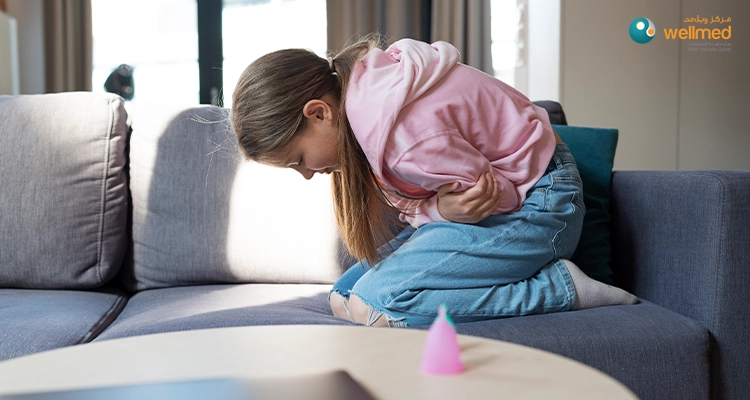
Gastroenteritis is one of the most common illnesses affecting children, especially infants and toddlers. Often referred to as the “stomach flu,” this condition involves inflammation of the stomach and intestines, leading to symptoms like diarrhea, vomiting, and abdominal discomfort. While most cases are mild and resolve on their own, gastroenteritis can sometimes lead to dehydration and complications if not managed properly.
At Wellmed Wellness Multi Specialty Center, recognized as the best pediatric clinic in Bahrain, expert pediatric care ensures that children receive timely diagnosis, effective treatment, and supportive care for a smooth recovery.
What is Gastroenteritis?
Gastroenteritis is an infection that affects the digestive system, causing irritation and inflammation in the stomach and intestines. It is usually caused by viruses, bacteria, or parasites and spreads easily among children through contaminated food, water, or close contact.
Children are particularly vulnerable because their immune systems are still developing, making it easier for infections to take hold.
Common Causes of Gastroenteritis in Children
1. Viral Infections
Viruses are the most common cause of gastroenteritis in children. These include:
- Rotavirus (common in infants and young children)
- Norovirus (highly contagious and spreads quickly)
2. Bacterial Infections
Bacteria can enter the body through contaminated food or water. Common bacteria include:
- E. coli
- Salmonella
- Shigella
3. Parasitic Infections
Though less common, parasites like Giardia can also cause gastroenteritis, especially in areas with poor sanitation.
4. Food Intolerance or Allergies
Sometimes, digestive upset similar to gastroenteritis can occur due to food allergies or intolerance, particularly in young children.
Symptoms of Gastroenteritis in Children
The symptoms can range from mild to severe and usually appear within a few hours to a couple of days after infection.
Common Symptoms
- Frequent diarrhea
- Vomiting
- Stomach pain or cramps
- Fever
- Nausea
- Loss of appetite
Signs of Dehydration (Important Warning Signs)
Parents should watch for signs of dehydration, which can be serious in children:
- Dry mouth and lips
- Reduced urination
- Sunken eyes
- Lethargy or unusual sleepiness
- Crying without tears
If any of these symptoms appear, immediate medical attention is necessary.
How Gastroenteritis Spreads
Gastroenteritis is highly contagious and spreads easily among children, especially in schools and daycare settings.
Common modes of transmission include:
- Touching contaminated surfaces or toys
- Consuming contaminated food or water
- Close contact with an infected person
- Poor hand hygiene
Proper hygiene practices play a crucial role in preventing its spread.
Diagnosis of Gastroenteritis
At Wellmed Wellness Multi Specialty Center, experienced pediatricians carefully assess symptoms and medical history to diagnose gastroenteritis.
In most cases, diagnosis is clinical, but in severe or prolonged cases, doctors may recommend:
- Stool tests to identify bacteria or parasites
- Blood tests to check for dehydration or infection
- Urine tests to assess hydration levels
Early diagnosis helps prevent complications and ensures appropriate treatment.
Treatment of Gastroenteritis in Children
Treatment mainly focuses on relieving symptoms and preventing dehydration.
1. Hydration is Key
The most important step is to keep the child hydrated.
- Oral rehydration solutions (ORS) are highly recommended
- Small, frequent sips of fluids
- Breastfeeding should continue for infants
2. Proper Diet
Once vomiting reduces, children can be given light and easy-to-digest foods such as:
- Rice
- Bananas
- Toast
- Applesauce
Avoid oily, spicy, and sugary foods during recovery.
3. Medications
- Anti-nausea or anti-diarrheal medications may be prescribed in some cases
- Antibiotics are only used if a bacterial infection is confirmed
4. Rest and Monitoring
Adequate rest helps the body recover faster. Parents should closely monitor symptoms and hydration levels.
When to See a Pediatrician?
While mild cases can be managed at home, medical attention is necessary if:
- Symptoms last more than 2–3 days
- There is persistent vomiting
- Blood appears in stool or vomit
- High fever develops
- Signs of dehydration are present
Prevention Tips for Parents
Preventing gastroenteritis is possible with simple hygiene and care practices:
- Encourage frequent handwashing
- Ensure food is properly cooked and stored
- Avoid giving untreated water
- Clean and disinfect surfaces regularly
- Keep infected children away from school until recovery
- Follow vaccination schedules, especially for rotavirus
Why Choose Wellmed Wellness Multi Specialty Center?
When it comes to your child’s health, choosing the right healthcare provider makes all the difference. Wellmed Wellness Multi Specialty Center offers:
- Experienced pediatric specialists
- Advanced diagnostic facilities
- Child-friendly environment
- Personalized treatment plans
- Comprehensive care for pediatric illnesses
Conclusion
Gastroenteritis in children is common but manageable with the right care and attention. Understanding its causes, recognizing early symptoms, and ensuring proper hydration are key to a quick recovery. While most cases resolve without complications, parents should never ignore warning signs like dehydration or persistent symptoms.
For expert care and peace of mind, trust Wellmed Wellness Multi Specialty Center, the best pediatric clinic in Bahrain, where your child’s health and comfort are always the top priority.
Frequently Asked Questions (FAQs)
- What is the main cause of gastroenteritis in children?
The most common cause is viral infections, especially rotavirus and norovirus. However, bacteria and parasites from contaminated food or water can also lead to gastroenteritis in children. - How long does gastroenteritis last in children?
In most cases, gastroenteritis lasts between 2 to 5 days. However, mild symptoms like loose stools may continue for up to a week. - How can I prevent dehydration in my child during gastroenteritis?
Ensure your child drinks plenty of fluids such as oral rehydration solutions (ORS), water, or breast milk. Offer small, frequent sips to prevent vomiting and maintain hydration. - When should I take my child to a pediatrician?
You should seek medical help if your child shows signs of dehydration, has a high fever, persistent vomiting, blood in stool, or if symptoms last more than a few days. - Can children eat normally during gastroenteritis?
Children can eat light, easily digestible foods like rice, bananas, toast, and applesauce once vomiting subsides. Avoid spicy, oily, or sugary foods during recovery. - Is gastroenteritis contagious among children?
Yes, gastroenteritis is highly contagious and can spread through contaminated food, water, surfaces, or close contact with an infected person. - Are antibiotics necessary for treating gastroenteritis in children?
No, antibiotics are not usually needed since most cases are viral. They are only prescribed if a bacterial infection is confirmed by a doctor. - Can gastroenteritis be prevented with vaccination?
Yes, the rotavirus vaccine helps protect children from one of the most common causes of severe gastroenteritis. It is recommended for infants as part of routine immunization. - Is it safe to send my child to school after gastroenteritis?
It is best to wait until at least 24–48 hours after symptoms stop before sending your child back to school to prevent spreading the infection.