


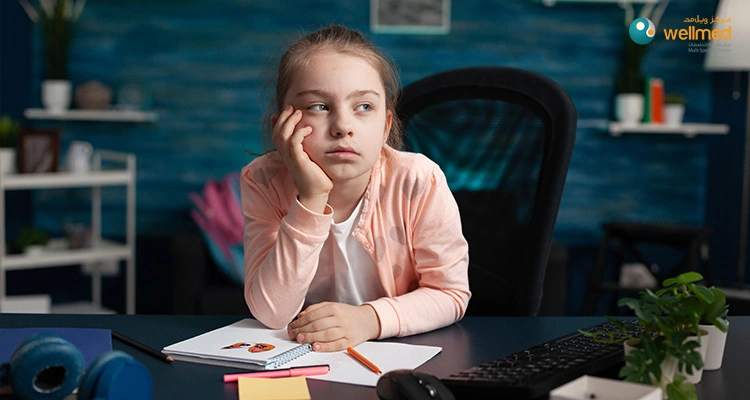
Children are naturally active, curious, and sometimes easily distracted. However, when difficulties with attention, excessive activity, or impulsive behavior persist and begin to affect a child’s learning, relationships, or everyday activities, they may be signs of Attention Deficit Hyperactivity Disorder (ADHD). Understanding these signs can help parents recognize when a child may need professional attention, particularly when concerns involve behavior, development, learning, or overall well-being. The pediatrics department at Wellmed Wellness Multi Specialty Center provides care for children with concerns related to their development, behavior, and overall well-being.
ADHD is a neurodevelopmental condition that can affect a child’s ability to concentrate, control impulses, regulate activity levels, and complete everyday tasks. While every child may occasionally become distracted or restless, persistent symptoms that interfere with daily life may require a professional assessment. Early recognition and appropriate support can help children manage their challenges and develop skills for learning, communication, and everyday activities.
What Is ADHD in Children?
ADHD is a neurodevelopmental condition that often becomes noticeable during childhood. It affects brain functions involved in attention, impulse control, activity regulation, and executive functioning.
Children with ADHD may have difficulty staying focused on tasks, following instructions, sitting still, waiting for their turn, or controlling impulsive actions. These behaviors can vary from one child to another. Some children mainly have difficulties with attention, while others may show more hyperactive and impulsive behaviors. Some experience a combination of these symptoms.
ADHD is not simply the result of poor discipline or inadequate parenting. Children with ADHD may need additional support and structured strategies to manage challenges related to attention and behavior.
Common Signs and Symptoms of ADHD in Children
ADHD symptoms are generally grouped into inattention, hyperactivity, and impulsivity. Symptoms can vary between children and may involve one or more of these areas.
Inattention
Children experiencing inattentive symptoms may:
- Have difficulty maintaining attention during activities or conversations
- Make careless mistakes in schoolwork
- Seem not to listen when spoken to directly
- Struggle to follow instructions or complete tasks
- Frequently lose school supplies, toys, books, or other belongings
- Become easily distracted
- Forget daily responsibilities
- Have difficulty organizing schoolwork and other activities
For parents, these behaviors may sometimes appear as laziness or lack of interest. However, persistent attention difficulties may require closer evaluation.
Hyperactivity
Hyperactive children may:
- Fidget frequently
- Have difficulty remaining seated when expected
- Move around excessively
- Talk more than expected
- Find it difficult to participate quietly in activities
- Appear constantly active or restless
Being energetic is normal during childhood. The concern arises when excessive activity is persistent and significantly affects a child’s everyday functioning.
Impulsivity
Impulsive behaviors may include:
- Interrupting conversations
- Answering questions before they are completed
- Having difficulty waiting for a turn
- Acting without considering the consequences
- Interrupting or interfering with other people’s activities
These behaviors can sometimes create difficulties at school and in social situations.
How ADHD Can Affect a Child’s Daily Life
ADHD can affect various aspects of a child’s life beyond classroom concentration. Depending on the symptoms and their severity, children may face challenges with learning, social interactions, family routines, and everyday activities.
At school, a child may have difficulty completing assignments, remembering instructions, organizing materials, or remaining focused during lessons. This can sometimes affect academic performance even when the child has the ability to understand the subject.
ADHD may also affect friendships. Impulsive behavior, interrupting conversations, difficulty waiting, or problems following social rules may make interactions with other children challenging.
At home, parents may notice difficulties with morning routines, homework, household responsibilities, bedtime routines, or following instructions. These repeated challenges can sometimes lead to frustration for both children and parents.
What Causes ADHD in Children?
There is no single cause of ADHD. Research suggests that genetic and neurological factors play important roles in its development. Environmental and developmental factors may also play a role in the development of ADHD.
Parents should understand that ADHD is not the result of poor parenting, inadequate discipline, or a child deliberately choosing to misbehave.
Understanding ADHD as a neurodevelopmental condition can help families approach the child’s difficulties with appropriate support rather than punishment or blame.
ADHD or Normal Childhood Behavior?
One of the most common concerns among parents is whether their child’s behavior is part of normal development or could indicate ADHD.
Children can occasionally become distracted, forget instructions, interrupt conversations, or have difficulty sitting still.These behaviors on their own do not necessarily mean that a child has ADHD.
Healthcare professionals consider factors such as how long the symptoms have been present, how frequently they occur, whether they are seen in different settings, and how significantly they interfere with the child’s daily functioning.
For example, if a child consistently struggles with attention both at home and at school and these difficulties affect learning and relationships, a professional assessment may be appropriate.
How Is ADHD Diagnosed in Children?
There is no single blood test, scan, or laboratory test that can diagnose ADHD. Diagnosing ADHD usually involves a detailed evaluation by a qualified healthcare professional.
The assessment may include discussions with parents about the child’s development and behavior, information from teachers or other caregivers, observations of the child’s behavior, and evaluation of symptoms in different settings.
Healthcare professionals may also consider other conditions or difficulties that can cause similar symptoms. Sleep difficulties, learning challenges, anxiety, developmental conditions, and other behavioral or emotional concerns can sometimes influence a child’s attention and behavior. Understanding developmental delays and disorders in children can also be important when evaluating concerns related to a child’s development, learning, or behavior.
A proper assessment helps determine whether the symptoms are consistent with ADHD and whether additional support may be needed.
Treatment Options for ADHD in Children
ADHD treatment is individualized because every child’s needs are different. ADHD management is individualized and may include one or more approaches based on the child’s age, symptoms, and particular needs.
Behavioral Therapy
Behavioral approaches can help children develop better ways to manage behavior, follow routines, complete tasks, and respond to challenges. Parents may also learn practical strategies for providing structure and positive reinforcement.
Parent Support and Training
Parents play an important role in helping children manage ADHD-related difficulties. Professional guidance can help parents establish consistent routines, communicate expectations clearly, reinforce positive behaviors, and respond constructively to challenging situations.
School-Based Support
Children with ADHD may benefit from appropriate educational support. Communication between parents, teachers, and healthcare professionals can help create strategies that make learning and classroom participation easier.
Organizational Strategies
Simple strategies can help children manage everyday responsibilities. Breaking large assignments into smaller tasks, maintaining predictable routines, using reminders, and keeping school materials organized may help reduce difficulties.
Medication
For some children, healthcare professionals may recommend medication as part of ADHD management. The decision depends on the child’s individual circumstances and should be made by an appropriately qualified healthcare professional after proper evaluation.
Medication is not necessary for every child, and treatment plans should be reviewed regularly based on the child’s needs and response.
How Parents Can Support a Child With ADHD
Parents can make a meaningful difference by creating a supportive and predictable environment. Clear instructions are often easier for children to follow than several instructions given at once. Breaking homework or other responsibilities into smaller steps can also make tasks feel more manageable.
Maintaining consistent routines for waking up, school, homework, meals, and bedtime can provide structure. Parents can also use positive reinforcement when children complete tasks or demonstrate appropriate behavior.
It is equally important to recognize the child’s strengths. Children with ADHD may have creativity, enthusiasm, curiosity, or strong interests in particular activities. Focusing only on difficulties can affect a child’s confidence, so encouragement and positive communication are important parts of ongoing support.
Why Early Support Matters for Children With ADHD
Identifying ADHD-related difficulties early can help children and families understand what they are experiencing and identify appropriate ways to manage those challenges.
Without appropriate support, persistent difficulties with attention, impulsivity, or hyperactivity may affect school performance, relationships, confidence, and everyday routines. Early professional assessment can help families understand the child’s needs and develop an individualized support plan.
Early support does not mean labeling a child. Instead, it can provide parents and children with a clearer understanding of their challenges and practical strategies to address them.
When Should Parents Seek Professional Help?
Parents should consider speaking with a pediatrician when difficulties with attention, hyperactivity, impulsive behavior, learning, or social interaction persist and begin to interfere with a child’s school performance, family life, relationships, or daily activities. Professional guidance can be particularly useful when concerns are noticed both at home and at school, when academic performance is affected, or when the child’s behavior creates ongoing difficulties with friendships or family routines.
A pediatrician can assess the child’s symptoms, developmental history, and overall well-being to determine whether the concerns may be related to ADHD or another underlying condition. Based on the assessment, the pediatrician may recommend further evaluation or appropriate specialist support when needed.
Supporting Children With ADHD at Wellmed Wellness Multi Specialty Center
Understanding a child’s behavior is an important first step toward providing the right support. Children may occasionally become distracted, restless, or impulsive, but when these behaviors persist and begin to affect learning, friendships, family routines, or everyday activities, it may be worth seeking professional guidance. Recognizing these concerns early can help parents understand whether they are part of typical childhood development or may require further evaluation for ADHD or another underlying condition.
If a child is experiencing persistent attention difficulties, hyperactivity, impulsive behavior, problems completing tasks, or challenges at school and home, a professional assessment can provide greater clarity. ADHD affects each child differently, so understanding the child’s individual symptoms, strengths, developmental history, and daily challenges is important when considering appropriate support.
Wellmed Wellness Multi Specialty Center provides comprehensive healthcare support for children and families. A professional assessment can help parents better understand their child’s needs and identify appropriate management and support strategies.
Frequently Asked Questions (FAQ)
- What are the early signs of ADHD in children?
Early signs may include difficulty paying attention, frequent distraction, forgetfulness, excessive activity, impulsive behavior, difficulty following instructions, and trouble completing age-appropriate tasks. These symptoms can vary from one child to another. - How is ADHD different from normal childhood behavior?
Children can naturally be energetic, restless, or occasionally distracted. ADHD involves persistent patterns of inattention, hyperactivity, or impulsivity that are more noticeable than expected for the child’s developmental stage and interfere with everyday functioning. - How is ADHD diagnosed in children?
ADHD is diagnosed through a comprehensive assessment rather than a single medical test. A healthcare professional may consider the child’s developmental history, behavior at home and school, information from parents and teachers, and the impact of symptoms on daily activities. - Can ADHD affect a child’s learning and school performance?
Yes. Children with ADHD may have difficulty concentrating during lessons, following instructions, organizing schoolwork, completing assignments, or remembering tasks. These challenges can sometimes affect academic performance and classroom participation. - What causes ADHD in children?
There is no single cause of ADHD. Genetic and neurological factors are believed to play important roles. Certain developmental and environmental factors may also contribute to the likelihood of developing ADHD. - Does every child with ADHD need medication?
No. Treatment is based on the individual child’s needs. Depending on the situation, behavioral interventions, parent support, educational strategies, organizational techniques, medication, or a combination of approaches may be considered by healthcare professionals. - Can ADHD be managed in children?
Yes. Although ADHD is a long-term neurodevelopmental condition, appropriate treatment and support can help children manage symptoms and develop strategies for attention, organization, behavior, and everyday activities. - How can parents support a child with ADHD?
Parents can provide consistent routines, clear instructions, positive reinforcement, organized study environments, and age-appropriate expectations. Working closely with healthcare professionals and teachers can also help create consistent support for the child. - When should parents seek professional help for ADHD?
Parents should consider professional guidance when difficulties with attention, hyperactivity, impulsive behavior, learning, or social interaction persist and begin to interfere with the child’s school performance, family life, relationships, or daily activities. - Can children with ADHD succeed as they grow?
Yes. With appropriate understanding, support, and management, children with ADHD can develop skills to handle their challenges and participate successfully in education, relationships, family life, and other activities. Recognizing their individual strengths is also an important part of supporting their development.